Saturday, 30 September 2017

The final day of September was another fairly quiet one, although again a reasonable selection of grounded migrants were seen. The highlights of these were two Firecrests at Cristin and a Great Spotted Woodpecker, probably the same as previous days, in the Withies. At this time of year every Willow Warbler could be your last, so two of them in the Withies were also a welcome sight. 12 Chiffchaffs and three Blackcaps were the only other Warblers seen, while Goldcrests numbered a more modest 63, 34 Robins and nine Stonechats were scattered about, two Spotted Flycatchers,   a Pied Flycatcher at Tynesaf and Wheatear on the West Coast. 91 Meadow Pipits and 45 Rock Pipits were similar numbers to previous days, while the only overhead passage was eight Swallows heading south. 21 Goldfinches and four Lesser Redpolls rounded off the migrant passerines seen today.

Also seen in the Withies were two Water Rails, with the Wigeon again on Pwll Cain. A single Snipe was flushed from the Wetlands, with the only other waders of note being increases to 61 Curlews and 26 Turnstones, and two Whimbrels still present. On a quiet day for seawatching, the only highlight was nontheless a bit of a stonker, an adult, fully spooned Pomarine Skua seen by departing Obs guests as the boat passed through the Bardsey Sound.

Peregrine, Ephraim Perfect; Ephraim's Bird Blog

Friday, 29 September 2017

It was a reasonable day for passerine diversity today. For most locations, the Wryneck found at the North End would be the standout highlight of the day, although for this autumn at least, the Whinchat alongside it was the rarer bird, just our fourth of return passage! The other most notable species were an excellent six Firecrests, two Pied Flycatchers, a Blue Tit and a lingering Great Spotted Woodpecker.

Overhead three "Flava" Wagtails was a good count, but vis-mig was generally quite poor, a high figure of five Sparrowhawks aside. Otherwise 15 Swallows, four Skylarks and a single Kestrel moved through. On the ground 72 Goldcrests were the commonest migrant, with some good passage of chats and thrushes featuring 28 Robins, 13 Wheatears, three Spotted Flyctatchers and a single Song Thrush. Meanwhile Warblers were in quite poor numbers, with just 11 Chiffchaffs and two Blackcaps seen. On the opener and coastal habitats, a decent amount of Pipit and Wagtail migration was discernible, featuring 67 Meadow Pipits, 45 Rock Pipits, 21 Pied Wagtails and 7 White Wagtails. 29 Goldfinches were the only finches of note, and other grounded migrants were a Water Rail in Cristin Withy and a Wigeon on Pwll Cain.

Raven, Ephraim Perfect; Ephraim's Bird Blog

It was very quiet out to sea, with Kittiwakes numbering just 147, rather than the usual thousands! 139 Razorbills and a good haul of 76 Common Scoters were the bulk of passage, with little a bit of quality also mixed in, featuring one Great Skua, one Pomarine Skua and three "Commic" Terns. Two Guillemots and two Fulmars were the first of either species seen in several days. It was a very quiet day for Waders again, although Curlews were up to 54 and Oystercatchers to 46. 14 Turnstones and nine Redshanks were also about, with three Dunlins heading south past the North End and a single Snipe in the wetlands.

Thursday, 28 September 2017

The conditions didn't look too promising for today, and birding at times felt rather quiet. However, in spite of this a good selection of species were recorded. Great Spotted Woodpeckers had increased to two, while some increases in chats and thrushes saw 25 Robins, 16 Wheatears, 14 Stonechats and five Song Thrushes. Three Spotted Flycatchers and two Pied Flycatchers were seen, as were another two Blue Tits. This good autumn for Goldcrests continued, 74 were seen today with three Firecrests amongst them. Warblers, however, did rather poorly, with just 11 Chiffchaffs and three Blackcaps to be seen. Another pulse of Wagtail migration saw ten White Wagtails recorded, the same as the number of Pied's. three Grey Wagtails went south overhead, with 47 Rock Pipits around the coastline and 132 Meadow Pipits throughout the island. Finches were in modest numbers, with just 12 Chaffinches, two Lesser Redpolls and singles of Siskin and Reed Bunting.
Ten Skylarks and eight Swallows were the extent of passerine movement overhead, but singles of Buzzard, Kestrel and Osprey (the fifth of an excellent autumn) also passed south.

Whimbrel, Ephraim Perfect; Ephraim's Bird Blog

Out to sea it was an extremely modest day, however. Kittiwakes were down to just 515, with 92 Black-headed Gulls also seen. The only notable sightings were six Common Scoters and two Common Gulls, with no terns or Skuas seen at all today. Waders too were very quiet, 45 Oystercatchers,  41 Curlews and three Whimbrels being the only sightings of any real consequence, a handful of Redshanks and Turnstones were also present. The days two other bird sightings of note were a single Wigeon on Pwll Cain, and a Water Rail again sharming in Cristin Withy.

A bit of migration was noted amongst lepidoptera today, with 10 Red Admirals, 8 Silver Y's and a Hummingbird Hawk-moth recorded. Alongside these came possibly our first record of Palpita vitrealis, a distinctive immigrant Micro Moth seen on the Narrows.

Wednesday, 27 September 2017

Clear skies overnight saw most migrants move on, with heavy rain that started mid-morning and lasted for the rest of the daylight hours hampering most attempts at birding. A small selection of migrants were still on the land, including 61 Goldcrests, eight Chiffchaffs, three Wheatears and two Yellow-browed Warblers. A Great Spotted Woodpecker was new in, and there were singles of a wide variety of species recorded, Reed Bunting, Blue Tit, Starling, Spotted Flycatcher, Blackcap, White Wagtail and Water Rail. 13 Swallows and five Skylarks passed through early in the morning, but otherwise no vis-mig was noted.

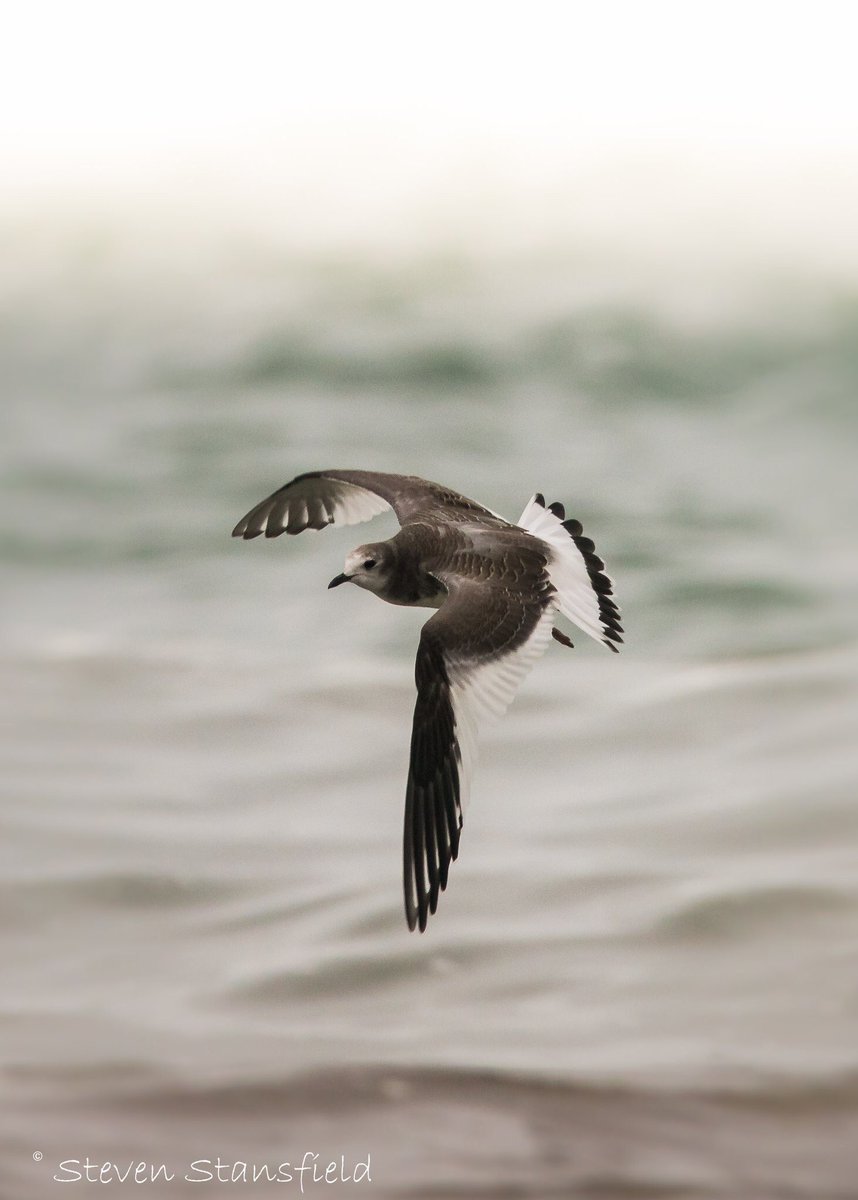
The Sabines Gull showed very well around the Narrows for its fourth day, coming down to three feet from one lucky observer at one point! A single Wigeon was also seen around the coast, with 32 Curlews, 18 Turnstones, five Redshanks, two Whimbrels and a Ringed Plover as exciting as it got on the Narrows otherwise. Yet another Ruff passed through the island however, heading north off the North End in the morning. Out to sea 1049 Kittiwakes and 185 Razorbills were seen, with a small selection of other species amongst them; Skuas numbered 15 Arctics, three Greats and two Pomarines, while ten Arctic Terns, seven Sandwich Terns and two Commic Terns were seen. The only other species of any consequence were seven Common Scoters and five Common Gulls.

The Sabine's Gull really has been extremely co-operative at times!

Tuesday, 26 September 2017


Yellow-browed Warblers
At long last, the first Yellow-browed Warblers of the year appeared today. What started as a trickle, with two in the Plantation first thing, swiftly became a flood; a minimum of nine were reported from all over the island! At least six Firecrests were also seen, by far the best day of the year so far for them. These were in amongst a grant total of 144 Goldcrests, while warblers today featured 29 Chiffchaffs, nine Blackcaps and four Willow Warblers. A Pied Flycatcher in the Obs Garden played second fiddle, but was only our third of the autumn, four Spotted Flycatchers were also to be found. Other migrant thrushes/chats included increases to 62 Robins and 11 Wheatears, with 16 Stonechats and a Song Thrush also logged. Two Blue Tits were the first records since April, both being trapped at Cristin, while a small selection of finches that were grounded/moving through included 24 Goldfinches, 15 Chaffinches, ten Siskins and four Lesser Redpolls. Other odds and sods amongst grounded migrants were two Water Rails in the Withies, four Reed Buntings scattered around, a single Starling and what was probably the reappearing Barn Owl at the Plantation.

Firecrest

A strong day of hirundine passage saw at least 546 Swallows and 272 House Martins move through, a single Sand Martin mixed in was the first for exactly a week. 316 Meadow Pipits were a mixture of birds grounded and seen on vis-mig, while 49 Rock Pipits were around the coast. Also passing overhead were 36 "alba" Wagtails, 22 Skylarks, six Lesser Black-backed Gulls, five Grey Wagtails, four Carrion Crows and a single Kestrel.  

A single first-winter Sabine's Gull was probably responsible for all sightings, as it ranged widely around the inshore waters surrounding the island and briefly put down on the Narrows. While seawatching the highlights were a single Ruff and two Black-tailed Godwits heading east together off the South End, both rather scarce species for Bardsey. 11 Wigeon in several small parties going back and forth were also notable, while 35 Common Scoters were seen in total. Also noted were nine Arctic, three Great and two Pomarine Skuas, 153 Black-headed Gulls, two Mediterranean Gulls, one Common Gull, three Sandwich Terns, 1274 Kittiwake, 135 Razorbill and a good count of 53 Shags. Aside from the two scarcities while seawatching it was a poor day for waders. 42 Curlews and 26 Turnstones were seen in total, with just four Redshanks, four Whimbrelsand a single Dunlin to be found amongst them. Two Snipes were seen on vis-mig heading south over Nant, with a third individual flushed out of the Wetlands.

Monday, 25 September 2017

We haven't managed any top drawer rarities amongst this latest pulse of migration, but when the island is as full of birds as it was today we can't have any complaints! It was fantastic to be out today, with migration really seeming to be in fuller swing than its been all autumn, and a great diversity of species logged.

Among the most numerous were 293 Goldfinches passing through overhead. They were the headlines of a decent finch day, with 23 Chaffinches, six Siskins and five Lesser Redpolls also around or overhead. Until today we'd had just one Reed Bunting all autumn, so a minimum of seven today was a considerable improvement. A brief Lapland Bunting also dropped into the Narrows early in the afternoon, but moved swiftly on. 398 Swallows and 79 House Martins were streaming north, while Meadow Pipits seemd to be constantly on the move, with the 208 logged underestimating the real numbers by an unknown rate. 44 Rock Pipits were around the coast, while Pied Wagtails seem to have firmly supplanted White Wagtail as the dominant species, 30 of the latter and just one of the former were seen today, the first time that Yarrelli has been moving in any great numbers this autumn. An additional 17 alba Wagtails passed through overhead, alongside 14 Grey Wagtails and 23 Skylarks, the largest passage of the latter this autumn. Two each of Buzzard and Sparrowhawk (including a young male trapped at the Plantation) also moved through, alongside a cream-crown Marsh Harrier, the third of the year.
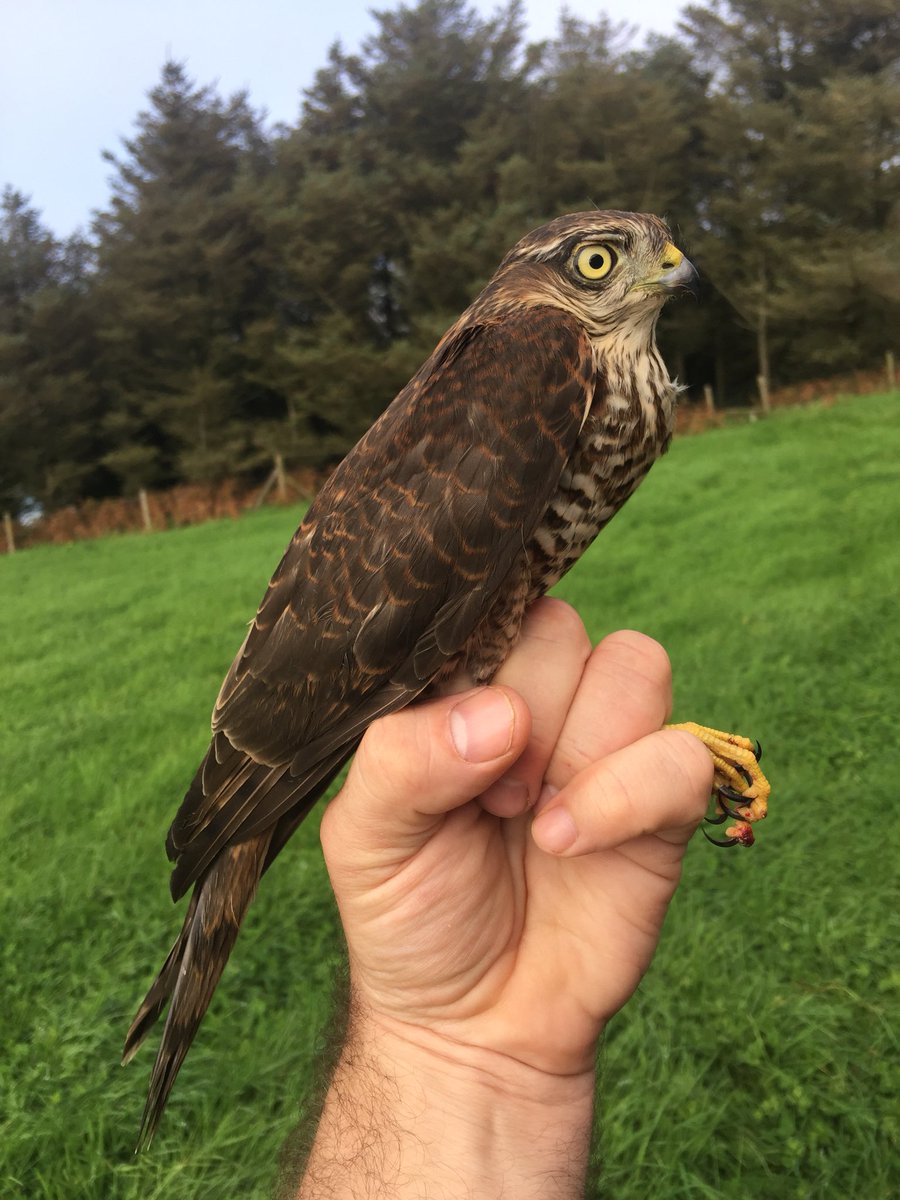
first-winter male Sparrowhawk, trapped and ringed at the Plantation this afternoon


Its impossible to know just how many Goldcrests were moving through the island today, with birds constantly on the move along the Mountainside and the lack of retraps in the Obs Garden suggesting few were hanging around. 198 was the final total at log, but the real number must have been considerably higher. 73 Chiffchaffs represented the largest movement of the autumn so far, with other Warblers noted just nine Blackcaps, five Willow Warblers and two Grasshopper Warblers. 45 Robins, 25 Stonechats, nine Wheatears, four Spotted Flycatchers and two Song Thrushes were also noted. A Wryneck was around the Plantation/Ty Capel area, and a Water Rail  was in Cristin Withy.

Two Sabine's Gulls were noted again today, with one off the South End early in the morning and one, probably the same as yesterday, briefly flying over the Narrows and heading towards Carreg Yr Honwy. The first notable arrival of Black-headed Gulls of the autumn saw at least 320 offshore, alongside 2100 Kittiwakes. An excellent 102 Common Scoters was the other highlight of species moving through. Otherwise, sea passage was represented by 55 Razorbills, seven Arctic and two Great Skuas, two Common Gulls and a single Arctic Tern. Waders for the day featured 70 Oystercatchers, 52 Curlews, 34 Turnstones, five Redshanks, five Whimbrels, two Dunlins and a Snipe, with two Grey Herons including one adult that was new in. 

Finally, some mention should be made of the "hidden migration", species we might not even suspect to be on the move if it wasn't for daily censusing. However, counts of 175 Herring Gulls, 36 Lesser Black-backed Gulls, 38 Carrion Crows and 15 Blackbirds were all sufficiently higher than recent counts to firmly suggest passage of all four species. Both Herring and Lesser Black-backed Gulls tend to pass south high over the island or along the coastline throughout the day here, but if it wasn't for the fact it's almost all "one-way traffic" you could very easily assume they were just on local movements.

Sunday, 24 September 2017

South-easterly winds and strong rain early in the morning seemed to do the trick today, injecting some much needed quality and diversity amongst the regular migrants on the island. By far and away the highlight was a first-winter Sabine's Gull that showed fantastically in Solfach for most of the morning. For most of this time it was feeding along the tideline, elegantly picking tidbits out of the surf. A good supporting cast of species around Solfach were noted, including two Red-breasted Mergansers, three Teals, a Wigeon, three Common Gulls, four Sandwich Terns and 46 Rock Pipits. A decent selection of waders included an increase to 81 Oystercatchers, and totals of 58 Curlews, 17 Turnstones, ten Redshanks, six Whimbrels, four Dunlins, four Snipes and a Ringed Plover.


Seawatching, the highlights were another first-winter Sabine's Gull and a Grey Phalarope off the South End, the second record of the year. Also moving through were 2455 Kittiwakes and 116 Razorbills, with a good amount of diversity. These included 43 Black-headed Gulls, one Mediterranean Gull, four Sandwich and two Arctic Terns, and six Arctic, three Great and two Pomarine Skuas. Several parties of Lesser Black-backed Gulls passed south, totalling 16, and 23 Common Scoters.

Overhead passage was quite limited, but included a fine Osprey south through the West Coast, plus 38 Swallows, three House Martins and a flava Wagtail. The highlight of grounded migrants was a Wryneck above Ty Pellaf, with other notable sightings including a total of three Water Rails in the Withies, one Song Thrush on the Mountainside and a Lesser Redpoll over Cristin in the evening. There had been an arrival of 185 Meadow Pipits, 79 Goldcrests and 51 Robins, with other species mixed in including 17 Stonechats, 15 Chiffchaffs, ten Blackbirds, seven Chaffinches, six Goldfinches, five Spotted Flyctatchers and three each of Starling, Blackcap and Wheatear.

Saturday, 23 September 2017

Changeover day somewhat limited coverage of the island today, but it was generally pretty quiet anyway. The undoubted highlight was a redhead Red-breasted Merganser in Solfach amongst the Mallards, the second record of the year. Also around the Narrows were counts of 65 Curlews, 15 Redshanks, 14 Turnstones, three Whimbrels, two Purple Sandpipers and a Dunlin.

There was a fairly limited selection of species seen seawatching too; 3691 Kittiwakes and a good passage of 1149 Razorbills were noted. Terns featured just seven Arctics and two Commons, with ten Arctic Skuas and three Great Skuas also seen, and four Skuas left unidentified. Eight Common Scoters and 72 Gannets were the only other species moving through.

Overhead there was a small trickle of hirundines, amounting to 56 Swallows and eight House Martins. Two Grey Wagtails and a Kestrel were the limits of other southbound passage. On land, the Water Rail continued to be heard sporadically from Cristin Withy, with 42 Goldcrests, 12 Stonechats, ten Chiffchaffs and a single Blackcap the only other sightings of note.

Stonechat, Ephraim Perfect; Ephraim's Bird Blog


Friday, 22 September 2017

The sea provided the saving grace today, on what would otherwise have been a very quiet day. Amongst the customary flocks of Kittiwakes (numbering 4604 today), were three Black-headed, three Common and two Mediterranean Gulls and 32 Sandwich, three Common and two Arctic Terns. 13 Arctic and six Great Skuas included many taking advantage of this plentiful supply of victims, with a single Pomarine Skua also seen off the North End. Other highlights included singles of Wigeon and Teal and two Common Scoters, and a Snipe coming in/off at the North End. 154 Razorbills and 135 Gannets were also passing throughout the day. 

An improved selection of waders included three Purple Sandpipers, and a single Ringed Plover, rather surprisingly our first since the 17th! three Dunlins and four Whimbrels were also around the Narrows, with increases to 46 Turnstones and 15 Redshanks. 54 Curlews and 40 Oystercatchers were also present.

Meanwhile, on land it was exceptionally quiet. The only species to see an increase were 51 Rock Pipits around the coast, while otherwise migrant action consisted of a mere 38 Goldcrests, five Chiffchaffs, one Willow Warbler and one Spotted Flycatcher.

Dunlins, Ephraim Perfect; Ephraim's Bird Blog

Thursday, 21 September 2017

The last few days have been fairly unproductive on Bardsey, with little change noted today. The highlight was a Wryneck found at Cristin, it could be a new individual but, given the fairly dismal weather recently, is perhaps more likely the relocating Ty Pellaf bird that went undetected yesterday. Otherwise there was little evidence of arrivals on land, other than small increases to 61 Robins and 60 Goldcrests. Nine Chiffchaffs and four Blackcaps were scattered around the island, with 12 White Wagtails on the Narrows, otherwise there was a very small selection of other species, including five Lesser Redpolls at the Plantation, a single "Flava" Wagtail overhead, and one each of Spotted Flycatcher, Wheatear, Willow Warbler and Water Rail grounded. Three Sparrowhawks were also seen today, alongside lingering singles of Buzzard and Kestrel.

On the sea we also had a pretty sparse selection of birds on offer; 3320 Kittiwakes, 115 Razorbills and 84 Gannets were the most numerous species. The "big four" of early autumn has now become just a "big three", with hardly any Manx Shearwaters being seen most days. 14 Arctic Skuas, ten Great Skuas, seven Arctic Terns, three Sandwich Terns and a single Common Scoter provided the rest of the days interest. There had been almost no changeover of waders on the Narrows, apart from increases to 60 Curlews and three Dunlins, a single Teal in Solfach was also notable.

Little Owl, Ephraim Perfect; Ephraim's Bird Blog

Wednesday, 20 September 2017

A grey, drizzly day for the most part saw very little noted on Bardsey. Most of the sightings of note came from the South and North Ends in the morning, when the weather was decent for a few hours and a bit of seawatching could be done. 2729 Kittiwakes were mostly loafing offshore, with 628 Razorbills and 149 Gannets on the move. Again the interesting sightings were mostly of birds amongst the Kittiwake flocks, and today they included an excellent 17 Arctic and nine Great Skuas, a single Pomarine Skua, eight Arctic and four Sandwich terns and 14 Black-headed and two Mediterranean Gulls. 66 Common Scoters, 16 Dunlins and a single Teal passed through as well.

Meanwhile, on the land, it was a very muted affair. 45 Curlews, 44 Oystercatchers, 43 Turnstones, 16 Redshanks, three Whimbrels and a Snipe were as good as it gor for waders, and it wasn't much busier on the passerine front; 127 Swallows, 25 House Martins and three Grey Wagtails moved through overhead, and on the deck just 39 Goldcrests, three Chiffchaffs and three Blackcaps were noted. 43 Rock Pipits were around the coasts, with 15 Pied Wagtails on Solfach the highest count in some time, and probably indicating the start of autumn passage for this subspecies.

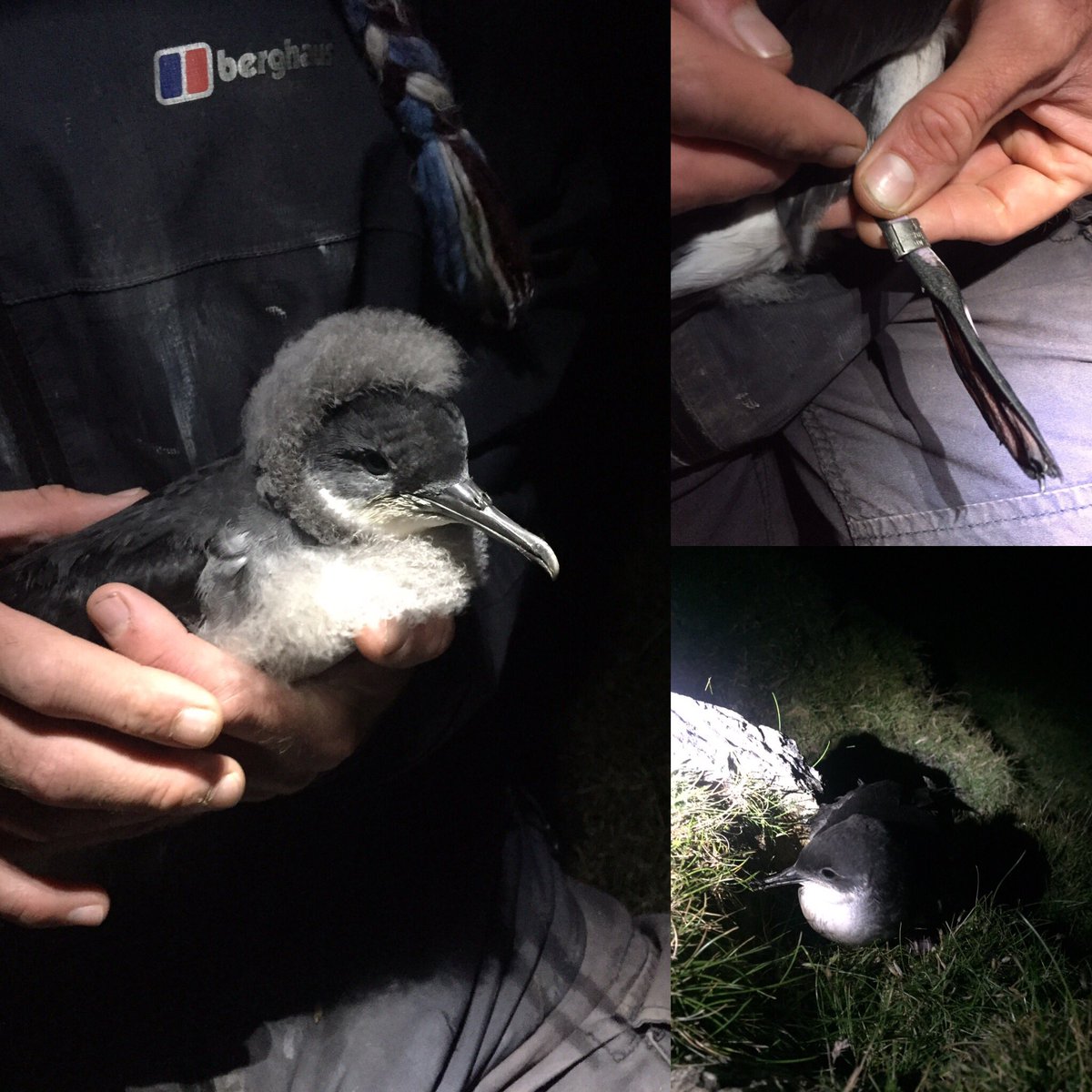
Photos from Manx Shearwater ringing last night, most of Bardsey's young are now well developed and ready to fledge.
© Sian Stacey

Tuesday, 19 September 2017

In most respects today was a fairly quiet day, with a few nice oddities thrown into the mix. However, the standout highlight in terms of migration spectacles was some excellent visible migration of hirundines. Chief amongst these were 896 Swallows, with 89 House Martins and five Sand Martins thrown in for good measure. 16 Grey Wagtails, 20 "alba" Wagtails, three Skylarks and a Merlin also passed over, while it was a good day too for Finches, the 95 Goldfinches, 21 Chaffinches, five Siskins and four Lesser Redpolls were a mixture of birds lingering on the island and passing through. It was a similar story with Meadow Pipits, of which 218 were logged today, many of those heading out to sea or passing over Pen Cristin, but others lingering around the island. A bit of Carrion Crow movement was also logged; six headed south over the South End in the morning, doubling back just a few minutes later. Five that headed north from the North End towards the Llyn Peninsula at dusk were making a more concerted attempt to leave the island!

On the land, both the Wryneck and the Barn Owl remained for their fourth and third day respectively, the highlights of a modest selection of new arrivals was a Pied Flycatcher trapped and ringed at Nant and a juvenile Yellow Wagtail that pitched in near the South End hide in the morning. Otherwise most totals were a bit lower than yesterday, with 111 Goldcrests, 34 Robins, 19 Stonechats and 12 Chiffchaffs the commonest migrants. Seven Blackcaps, two Whitethroats and singles of Willow Warbler and Spotted Flycatcher were all else that could be mustered up. Around the coast, increases were noted in the number of Rock Pipits and White Wagtails, with 35 and 22 seen respectively.

Wryneck- Ephraim Perfect; Ephraim's Bird Blog


Out to sea there were two main highlights, both off the South End. Early in the morning, a nice Black-throated Diver headed West, just the second record of the year. More unexpected, given the flat calm conditions, was a juvenile Long-tailed Skua passing close inshore at around mid-day, most unusual! Two Pomarine Skuas were also seen, including one adult with spoons. A little bit of early morning duck passage was again noted, with seven Wigeons and 23 Common Scoters, and three Grey Herons heading west past the South End Hide were a bit odd. Otherwise, most of the interesting sightings were amongst the Kittiwake flock, with the total for this species numbering 3132 today. Scanning through them picked out most of the 13 Arctic Skuas, three Great Skuas, 24 Black-headed and nine Common Gulls and seven Sandwich, six Arctic, three Common and three "Commic" Terns.

The most interesting wader sightings were singles of Knot and Purple Sandpiper roosting on the Narrows at high tide. Otherwise there seemed to have been a bit of a clearout, with lower totals of 43 Curlews, 28 Turnstones and ten Redshanks. Five Dunlins, four Whimbrels and a Snipe were the best of the rest.

Monday, 18 September 2017

A clear and calm night saw a considerable reduction in the numbers of many migrants compared to yesterday. However, a fair variety of species were still to be seen. Lingering on were the Wryneck at Ty Pellaf, the Treecreeper retrapped at Cristin and the Barn Owl around Nant. The most common grounded migrants were 112 Meadow Pipits, 111 Goldcrests, 41 Robins and 20 each of Chiffchaff and Stonechat. Some diversity was supplied by six Blackcaps, one Willow Warbler, four Wheatears, three Spotted Flycatchers, two Song Thrushes, 12 White Wagtails, 18 Goldfinches and three Lesser Redpolls. Meanwhile, overhead 98 Swallows were the only Hirundines on the move, with 53 "alba" Wagtails, 17 Grey Wagtails, 16 Ravens, three Skylarks and a Buzzard also moving through.

On the sea, the standout highlight was three Shovelers heading west off the South End in the morning; there are fewer than 30 records of this species for Bardsey! Two Wigeons and seven Common Scoters were also on the move, while the Kittiwake flocked numbered 3200. As usual, a few interesting species could be picked up amongst them, today including 133 Black-headed Gulls, 22 Common Gulls, three Sandwich Terns and one Pomarine, nine Arctic and six Great Skuas. 225 Razorbills and 43 Gannets were recorded today too, while Manx Shearwaters numbered a pitiful six. The only other seabird of note was an Arctic Tern in Henllwyn.

55 Turnstones, 53 Curlews, 39 Oystercatchers and 14 Redshanks comprised the bulk of the waders recorded today. Four Snipe were also flushed up from wet areas in the lowlands, there were singles of Dunlin and Whimbrel on Solfach, and the first Common Sandpiper in some time was on the South End.
we haven't got many photos from recent days to show you, so enjoy one more of the bird of the autumn so far!
Ephraim Perfect; Ephraim's Bird Blog

Sunday, 17 September 2017

With weather as favourable as it was today, you're almost guaranteed to get a decent days migration in September on somewhere like Bardsey. While it didn't necessarily feel very busy today, interesting birds arrived and passed through in a reasonably steady stream throughout the day, resulting in the most diverse roll call of the autumn to date.

The most obvious arrival was of Goldcrests, with 178 and probably a lot of turnover from the similar number recorded yesterday. Birds appeared to arrive throughout the afternoon, with for example 60 on Nant Mountain at about 13:00 mostly filtering into the Plantation. Meanwhile several island scarcities were seen, including a Barn Owl at Nant, two Treecreepers at Cristin (where it was ringed) and the Plantation, and Mistle Thrush and the lingering Wryneck from yesterday on the Mountainside. Warblers were better represented than in recent days, although only a very modest 13 Chiffchaffs were recorded, with other species being 11 Blackcaps, five Whitethroats, four Willow Warblers and singles of Sedge and Garden Warbler.
Treecreeper trapped and ringed at Cristin

72 Robins were ticking all over the island, with 17 each of Wheatears and Stonechats gracing the island too. The first hints of finch passage came with totals of 129 Linnets, 39 Goldfinches, 11 Chaffinches (a definite arrival given the tiny numbers resident on the island) and a single Siskin. A single Collared Dove lingered on, while 39 Carrion Crows may well have included some arrivals, and a party of nine Ravens headed south along the Mountainside. Other overhead passage was also strong, with 164 Swallows, 62 House Martins, 278 Meadow Pipits, 53 "alba" Wagtails, 26 Grey Wagtails, six White Wagtails and seven Skylarks among the passerines passing through the island. A minimum of five Kestrels were also seen, with one lingering and four heading north over the Mountain, and three Sparrowhawks, a  Merlin and a Buzzard also passed through.

Several of the waders seen today were also noted "vis-migging", including a Golden Plover that flew up the Narrows and landed on Pen Cristin, and all of the days seven Dunlins. Other species seen on a good day for diversity were 57 Curlews, 33 Turnstones, nine Redshanks, eight Ringed Plovers, six Whimbrels, three Snipes and a single Knot. Two Teal briefly in Solfach were also notable.

Out to sea it was generally very quiet. However, 5650 Kittiwakes were off the South End, and searching through these was how almost all the interesting seabirds of the day were picked out; 83 Black-headed Gulls, 36 Common Gulls, 26 Sandwich Terns, seven Arctic Terns, 26 "commic" Terns, nine Arctic Skuas, four Great Skuas and two Pomarine Skuas. Otherwise 24 Common Scoters moving through was the only sighting of note on a very quiet days seawatching.


Saturday, 16 September 2017

With calmer conditions and a hint of North-east in the wind, it wasn't too much of a surprise to at last get some passage on the land today. Most obvious amongst a good selection of new arrivals were 182 Goldcrests, with a couple seemingly in every tree and gorse bush (and the odd individual even in sea caves around the coast), on the best day for this species this year so far.

There were also 71 Robins, again the largest arrival of this species in 2017 on Bardsey. On the ground, other migrants were represented by 234 Meadow Pipits, 27 Chiffchaffs, four Willow Warblers, nine Blackcaps, nine Wheatears, two Spotted Flycatchers, 21 Goldfinches, a single Collared Dove and, in one of the day's highlights, a fine Wryneck that showed well on the Mountainside between Cristin and Ty Pellaf. Overhead there were 62 Swallows, 30 "Alba" Wagtails, 17 Grey Wagtails, nine Ravens, two Skylarks, two Kestrels and a single Buzzard.

The BUFF-BREASTED SANDPIPER was still on the South End in the morning, last seen at about 10:45. An attempt to refind it with the incoming guests in the afternoon was unsuccessful, and it is presumed to have migrated onwards; it had already been seen flying strongly out to sea once in the morning before returning. It was also a decent day for wader diversity, with the best species being a single Golden Plover on the South End and a very approachable young Bar-tailed Godwit on the Narrows. Otherwise 65 Oystercatchers, 28 Turnstones, 24 Curlews, nine Redshanks, four Whimbrels and singles of Dunlin and Snipe were noted.


On the sea, very little was moving, a total of 40 Common Scoters being the days most notable sighting. Otherwise there was another adult Little Gull, 34 Black-headed Gulls, two Common Gulls and a juvenile Mediterranean Gull, two Arctic and two Great Skuas, 29 Sandwich and five Arctic Terns and just 33 Manx Shearwaters and 22 Gannets noted. It's also now the time of year when Grey Seal pups are popping out all over the coastline.


Friday, 15 September 2017

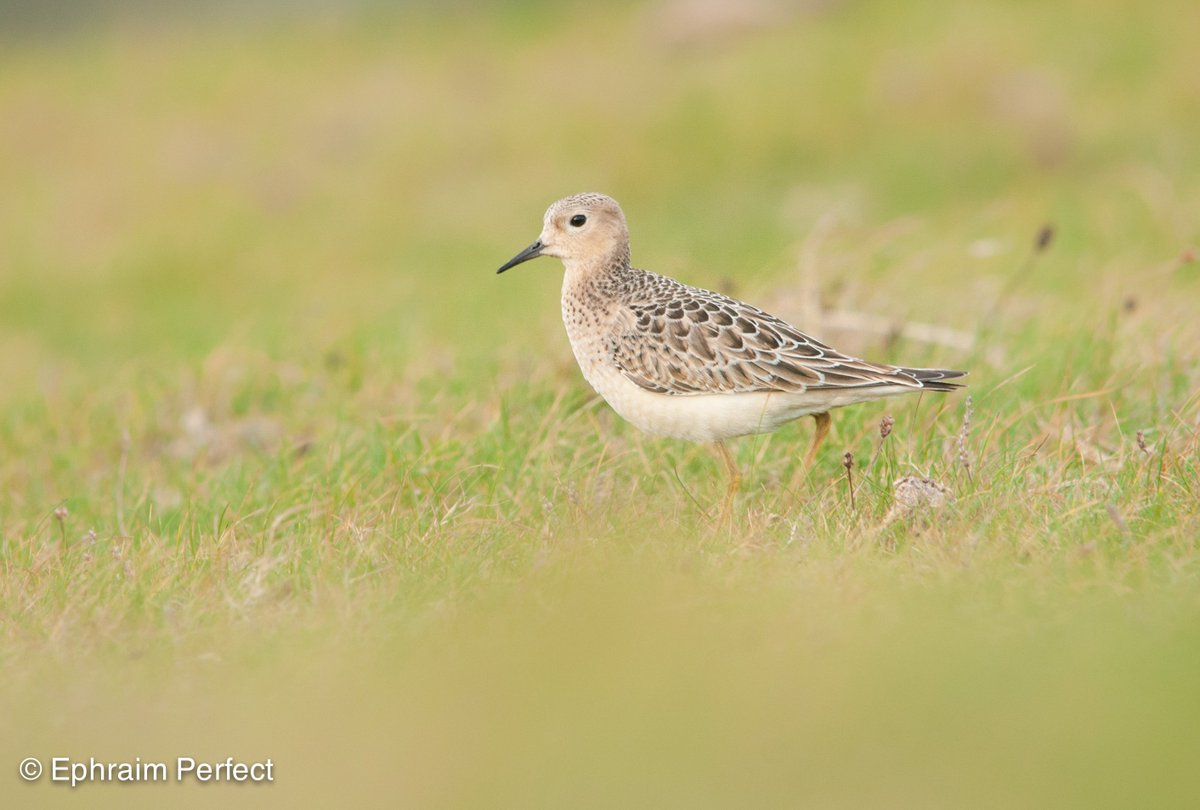
With the predominantly westerly airflow over the past week, Obs staff had been hoping, too optimistically we thought, for a nice neararctic wader to kickstart the autumn. With a quiet day for seawatching, we'd even walked all the grassy fields around the island hoping to find one! The glory, however, was taken by two guests staying at Cristin, who reported to us a very tame wader, which they described as a "small Whimbrel", being only a bit larger than a Dunlin, with a very short bill and straw-yellow legs. We all had our hunches, and to everyone's delight their description was spot on, at about 16:00 we confirmed the sighting as a first-winter BUFF-BREASTED SANDPIPER! It continued to delight the small group of birders currently present on the island for the rest of the day, and could be very approachable. A selection of some of the best photos are below.


Buff-breasted Sandpiper (www.ephraimperfect.co.uk)

Before the excitement of the rarity, however, it had been a pretty quiet day. Out to sea, there had been a little bit of passage off the South End, although 910 Kittiwakes were the only species moving in remotely large numbers. A nice flurry of Tern passage and the odd gull was also seen, with 33 Arctic Terns, 29 Sandwich Terns and two each of Common, "Commic" and Little Terns (the fourth and fifth of an excellent year), 23 Lesser Black-backed Gulls, one Black-headed Gull, one Common Gull and one Little Gull. Otherwise seven Canada Geese were the highlight, with 94 Gannets, 47 Manx Shearwaters, 38 Gannets, 11 Common Scoters and four Arctic and two Great Skuas the best of the rest. One of two Kestrels seen during the day also headed out to sea over the South End.

Other waders for the day were represented by 54 Curlews, 28 Turnstones, 11 Redshanks, a good count of eight Whimbrels, two Snipes in the Wetlands and singles of Dunlin, Purple Sandpiper and Ringed Plover. On land it was even quieter, with 56 Goldcrests, four Chiffchaffs and the first four Starlings in a while on land, 12 White Wagtails on the South End and the Narrows, and eight Grey Wagtails through overhead.

Thursday, 14 September 2017

Today was another productive day out to sea, while not quite scaling the heights of our fantastic seawatch on the 11th, a very good selection of species were seen. Highlights were another nine Leach's Petrel and a brilliant total of six Sabine's Gulls. The big movers were 5200 Kittiwakes, 2063 Manx Shearwaters, 893 Razorbils and 113 Gannets, while there was a good passage of terns featuring 80 Arctic Terns, 54 Sandwich Terns, four Common Terns and a Little Tern, our third record of the year. It's always a fine day for seawatching when four skua species are had, although numbers were more modest today; 14 Arctic Skuas, nine Great Skuas and singles of Pomarine and Long-tailed Skua. The other highlight was an adult Little Gull off the South End, while the supporting cast were 27 Common Scoters, ten Guillemots, three Black-headed Gulls, two Common Gulls and a single Grey Heron, heading west off the South End.

On the land there had been a small arrival, with a bit more of an autumnal feel to some of the new species. 55 Goldcrests, 23 Chiffchaffs, 20 Robins and 18 White Wagtails were the commonest species, with 22 "Alba" Wagtails, three Grey Wagtails and a single Sand Martin through overhead. There were two each of Blackcap and Wheatear, and singles of Skylark, Spotted Flycatcher, Collared Dove and Water Rail, the latter two the first records of the autumn. A good day for falcons saw three Peregrines, two Kestrels and a single immature Merlin recorded.

A very quiet day for waders, with the exception of an arrival of 58 Curlews. 15 each of Redshanks and Turnstones and three Whimbrels were all that was on offer otherwise.

Rosy Minor, Ephraim Perfect; Ephraim's Bird Blog 


Wednesday, 13 September 2017

Another fine day on Bardsey where, once again, seawatching stole the show. Despite conditions not quite being ideal, a further nine Leach's Petrels were seen today, mostly in the afternoon. Five Sabine's Gulls, two Little Gulls (the first of the year), a Little Tern, a Black Tern and four Long-tailed Skuas were the other highlights of another fine day at the office, with a very good back-up cast were also recorded. With five Common Gulls and three Black-headed Gulls joining the regular species, Bardsey had an eight-gull-day for the first time this year. 30 Lesser Black-backed Gulls moved south through the island too, while as in most recent days, Kittiwakes were the most abundant bird; a grand total of 11,362, the highest count this year, was recorded.

2001 Razorbills, 1260 Manx Shearwaters and 322 Gannets were the next most numerous species, while it was a good day for Terns. Alongside the above-mentioned species 61 Arctic, 63 Sandwich, four Common and three "Commic" Terns passed through. It was another excellent day for Arctic Skuas with 36 seen, and ten Great Skuas in addition. 73 Guillemots was the highest count since the breeding season, and two Puffins off the South End were a late record. Finally, nine Common Scoters passed through in the morning.

On the land, the highlights were a Firecrest at the Plantation and the lingering Ring Ouzel. Very little quantity of birds was recorded, with 38 Goldcrests, 19 Chiffchaffs, 19 Robins, two Blackcaps and a Goldfinch on land, three Grey Wagtails and a Merlin overhead and 26 White Wagtails around the coast. The most interesting waders of the day were two Golden Plovers that passed through out to sea, as did almost all of the day's 22 Dunlins. On the land, two Purple Sandpipers were a nice surprise for island residents taking part in the weekly guided walk, with other species logged being 21 Curlews, 19 Turnstones, 15 Oystercatchers, seven Redshanks and five Ringed Plovers. It was the first day in several months that not a single Whimbrel was to be seen!

Tuesday, 12 September 2017

After the incredible feats of the 11th, today was always likely to be something of an anticlimax. Nontheless, a decent day's seawatching was had, and in slightly calmer conditions an arrival of migrants was noted on land to keep observers entertained.

Offshore the big four were in decent numbers, especially Kittiwakes, with a huge northbound passage off the South End comprising most of the 9683 recorded today. Razorbills continue their steady autumn passage, with 1158 logged today, while our counts of 250 Manx Shearwaters and 193 Gannets were down on yesterdays impressive passage. Skua numbers were also down, although 15 Arctic Skuas, nine Great Skuas and a Pomarine Skua is nontheless a respectable total. The two most unusual species of the day were a Little Egret heading North out of the Sound, and a single Leach's Petrel early in the morning off the North End. Otherwise, sea passage featured 33 Sandwich Terns, three Arctics and two Commons, 53 Lesser Black-backed Gulls, 20 Common Scoters, a Guillemot and a Diver sp 

Overhead passage hotted up a bit today, and included a year's best 33 Grey Wagtails, 24 "Alba" Wagtails, and a single Sand Martin amongst a very modest passage of Swallows that barely reached double figures. Three Kestrels today included two that flew out over the South End, with at least one returning some ten minutes later, while a Buzzard over the South End was presumably thinking of doing the same. A Merlin was over the Mountain, but one of the most notable sightings was a party of 27 Ravens that headed south, attempting to cross the Irish Sea before quickly suffering a change of heart. The day total of 29 was the highest count since 52 seen on 4 Oct 2011.

A brilliant passage of 132 White Wagtails was logged today, with up to 67 together on Solfach. 98 Meadow Pipits were also counted around the South End and the Lowlands, with the first Lapland Bunting for the autumn seen and heard briefly over the Narrows, and the first two Goldfinches for over a week also logged. In the bushes, there had been an overnight arrival of 88 Goldcrests and 30 Chiffchaffs, but otherwise little could be gleaned; 18 Robins, five Blackcaps, singles of Whitethroat and Willow Warbler and the lingering Ring Ouzel around the Obs were as good as it got.

After several days where waders put in a good showing, today's total was limited to routine fare. 38 Curlews and 21 Turnstones were the only species to reach double figures, with otherwise just five Redshanks, four Ringed Plovers, two each of Whimbrels and Purple Sandpipers and a single Dunlin.
Dunlin - Ephraim Perfect; Ephraim's Bird Blog


Monday, 11 September 2017

Today saw Bardsey engaged in an inter-island bird race against Bird Observatories from across Britain and Ireland. We'll need to finalise our counts (and are still hoping for a calling Little Owl!), but will update with our final total once we've sorted it out tomorrow. However, it just so happened to coincide with one of the most remarkable days seawatching in the Observatory's long history. Two records were broken, with some other fantastic counts being recorded.

The commonest species of the day were 8462 Kittiwakes, 1526 Manx Shearwaters 1162 Gannets, the latter being the fourth highest day total in the history of Bardsey. However perhaps the most remarkable totals from today were 70 Arctic Skuas and 57 Great Skuas, both of which smashed their previous island records of 50 and 39. Six Pomarine Skuas and two Long-tailed Skuas were also logged, the latter being an addition to the year-list. In addition, the island was graced by a magnificent 38 Leach's Petrels, giving all obs staff and volunteers, and several guests, the chance to catch up with one of our most elusive seabirds. Many passed close inshore, giving lucky observers brilliant views, and today was undoubtedly one of the ornithological highlights of the year so far. A selection of photos or some of the petrels is below.


One of the 1162 Gannet seen today

The other highlights of the day show an excellent range of diversity and quality. Quality came from our first Black-throated Diver of the year, a Sooty Shearwater, a Storm Petrel, the first Grey Phalarope of the year and five Sabine's Gulls. Razorbill numbers continue to grow, with 711 logged today, and 10 Guillemots amongst them. Terns on the move included 63 Sandwich Terns, 18 Arctic Terns, four Common Terns and a single Commic Tern, while other species logged included 61 Fulmars, 38 Lesser Black-backed Gulls, three Black-headed Gulls and five Common Scoters. Four Harbour Porpoises and a single Risso's Dolphin were also offshore.

Amongst an excellent selection of waders were several recorded only on seawatching, namely four Ruffs, six Golden Plovers and four Bar-tailed Godwits. Otherwise 58 Curlews, 45 Oystercatchers, 43 Turnstones and 16 Redshanks were good counts, with six Ringed Plovers, five Dunlins, three Whimbrels and singles of Purple Sandpiper and Snipe.

On such a day, landbirds were relegated to the bottom of the pecking order. 33 Goldcrests were around, while warblers featured just nine Chiffchaffs, two Blackcaps, one Whitethroat and one Willow Warbler. 39 Rock Pipits and 18 White Wagtails were around the coast, and in the bushes there were also 13 Robins, two Wheatears and a Spotted Flycatcher. A Skylark on the North End was also the first record of the autumn.

Sunday, 10 September 2017

Another good day's seawatching was had today, though numbers of most species were down on yesterday. 468 Kittiwakes, 247 Manx Shearwaters and 241 Gannets moved through, with Razorbill passage now becoming a sustained feature of the autumn, 175 were tallied today. 48 Common Scoters passed through on a good day, joining them were five Wigeons, a belated addition to the 2017 yearlist. 19 Sandwich Terns were the other main feature of sea passage, while Skuas numbered 11 Arctic Skuas, three Great Skuas and a Pomarine Skua. Three Mediterranean Gulls, a Red-throated Diver and a Balearic Shearwater finished off a good day's totals.
Gannet, Ephraim Perfect; Ephraim's Bird Blog


The regular waders were in low numbers today, but there were quite a few interesting sightings. 30 Bar-tailed Godwits and a single Black-tailed Godwit passed south off the North End in the afternoon, with three more Ruffs and most of the days 16 Whimbrels and 15 Dunlins also logged while seawatching. Five Purple Sandpipers, a Common Sandpiper and a Lapwing were all notable on the Narrows. The regulars came to 18 Oystercatchers, 11 Turnstones, nine Curlews, six Ringed Plovers and a single Redshank.


Another early Ring Ouzel, the second of the autumn, was the highlight of a scattering of migrants on the land. 66 Goldcrests, 20 Robins and 19 Chiffchaffs were the most numberous species, while other warblers numbered just four Willow Warblers and two each of Whitethroats and Blackcaps. 20 White Wagtails were around the Narrows, with four Wheatears scattered around and two Spotted Flycatchers. Overhead eight Grey Wagtails were the only migrants on the move.  

Saturday, 9 September 2017

Seawatching was, for the most part, the order of the day today, with a good selection of species. It was a pretty good day for skua passage, with 13 Great Skuas, nine Arctic Skuas and five Pomarine Skuas heading south, plus one distant Skua sp. Our first Leach's Petrel of the year also headed south past the North End, seen well by two observers in the morning. A Little Tern south off the North End was also our first record this year of a less than annual species. There was a sustained southbound passage of 1952 Kittiwakes, 680 Manx Shearwaters, 487 Gannets and 294 Razorbills, our largest counts of the autumn so far for the latter two species.  There was also an obvious passage of 44 Sandwich Terns, with five Arctic Terns also logged. Other species logged on a good day for diversity included 48 Fulmars, 12 Guillemots, nine Black-headed Gulls and two each of Common and Mediterranean Gulls.

Also noted on seawatching were our first six Ruffs of the year heading south, the highlight of a small selection of waders that also included a Golden Plover in the North-west Fields. The best of the rest of a modest selection were 16 Redshanks, three Curlews, five Dunlins and a Whimbrel. Meanwhile two decent raptors were noted, a female Merlin in/off at the South End on a very stormy morning, and the third Osprey of the year headed south over the Mountain when it calmed down in the afternoon.

By about 16:00 the stormy fronts had moved through the island, and it was clear that a decent selection of passerines had been grounded. 48 Goldcrests and 42 Chiffchaffs were the bulk of passage, with just four Willow Warblers, thus marking it as the first day of autumn where Chiffchaff was the commoner species. A good count of 14 Blackcaps was also logged, with two Whitethroats and a Sedge Warbler the rest of the species logged. 17 Robins and two Wheatears were the only chats grounded, with 18 White Wagtails also present. Overhead 29 alba Wagtails and four Grey Wagtails moved through.

Little Owl, Ephraim Perfect; Ephraim's Bird Blog

Friday, 8 September 2017

A stiff south-westerly breeze for most of the day hampered any real hopes of passerine migration, but a decent passage over the sea was noted. There was a near constant stream of 1695 Kittiwakes, 598 Manx Shearwaters and 372 Gannets made up the bulk of passage, while in higher than usual numbers also were 40 Sandwich Terns and 32 Cormorants. All three Skuas were logged, with three Great Skuas, two Pomarine Skuas and a single Arctic, plus one unidentified skua sp. Making up the rest were 25 Fulmars, 34 Razorbills, three Guillemots, three Common Scoters and a Common Gull.

an impressive weather front moving through the island mid-afternoon

Not many waders were to be seen, with the highest numbers being 26 Dunlins, all in parties heading south over the coast. 21 Oystercatchers, 12 Curlews, ten Turnstones, eight Redshanks and singles of Ringed Plover and Whimbrel were also noted.

Passerine migration was very modest today, overhead there were 42 Swallows, four Grey Wagtails and a single Siskin. On Solfach, Rock Pipits had increased to 30 and there were 25 White Wagtails around, while a very limited selection of warblers and other species were present; 20 Goldcrests, five Willow Warblers, four Chiffchaffs and two each of Whitethroat and Blackcap all that could be mustered up.

Thursday, 7 September 2017

Today was one of the quietest days for some time on Bardsey, with little of note to report. Out to sea very modest totals were logged, with just 46 Manx Shearwaters, 28 Kittiwakes, 26 Gannets and 20 Razorbills logged, while three Great Skuas, two Commic Terns and five Fulmars offered a splash of diversity. Waders logged on this quiet day were just 40 Curlews, 15 Oystercatchers, 14 Ringed Plovers (12 of them heading south), and seven Turnstones.

On land the highlight was a single Tree Pipit at the Plantation. Goldcrests numbered 48, with 14 White Wagtails, 15 Robins, two Spotted Flycatchers and a single Wheatear also noted. Rock Pipits had increased to 34, with the sum total of warblers just five Chiffchaffs, two Willow Warblers and a Blackcap. Overhead, eight Grey Wagtails passed three.
Tree Pipit- Ephraim Perfect; Ephraim's Bird Blog

Wednesday, 6 September 2017

Strong north-westerlies generally produce good seawatching off Bardsey, and it proved the case again today, with a fine selection of species seen. Some of the larger counts are partially incomplete, as Mark, who counted off the North End for much of the morning, had to leave the island in the evening with his dog for a last-minute trip to the vet! We'll get full totals on the blog as soon as we can, but for now the numbers are as follows. One notable feature is a resurgence in Manx Shearwater numbers, perhaps as a result of many youngsters now fledging and taking to the Irish Sea? In total 900 Manx Shearwaters, 750 Kittiwakes and 172 Gannets made up the bulk of passage, with the largest Razorbill movement of the autumn so far also logged, as 95 moved south past the South End in two hours. A four-auk day was also achieved, always a good sign, with 19 Guillemots, a single Puffin and one of the days highlights being a Black Guillemot off the North End. Five Arctic and two Pomarine Skuas were logged, while terns featured with 11 Sandwich and three Arctic Terns, and the first Black Tern of the year off the North End. The other notable seawatching highlight was two Sooty Shearwaters in the morning, with other bits logged including 23 Fulmars and seven Common Scoters.
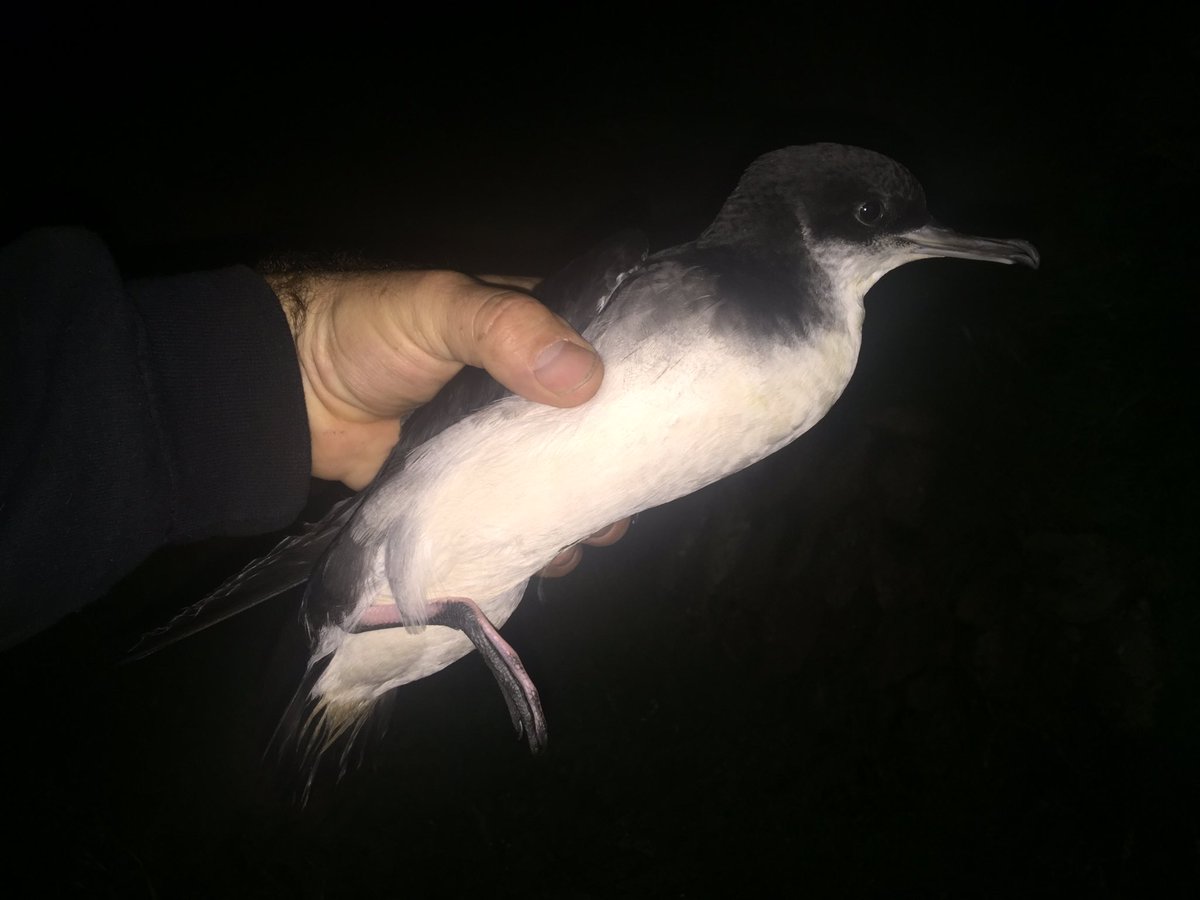
one of our young Manx Shearwaters, currently very close to fledging age
On land a bit of overhead passage was had, with 86 Swallows moving south, alongside 17 "alba" Wagtails, 10 Grey Wagtails and a single "Flava" Wagtail. Sparrowhawks increased to three, with probably the same two Kestrels again hunting over the mountainside. Meanwhile 122 Linnets were on the South End and the Narrows, with improving weather in the afternoon triggering a notable arrival of White Wagtails, 80 were seen including 45 in a single group on Solfach. 50 Goldcrests were again recorded, along with a fairly limited selection of Warblers, just 15 Willow Warblers, eight Chiffchaffs, three Whitethroats and two Blackcaps, unsurprising given a night unconducive for nocturnal migration. Robins had decreased to 14 and just three Spotted Flycatchers were seen today, with no other passerine migrants noted.

The wader highlight was undoubtedly the first Little Stint of 2017, a species not seen every year on Bardsey. This individual headed south with a group of Dunlin close into the North End mid-morning. Otherwise just the regulars were seen in mostly lower numbers than yesterday, with 28 Turnstones, 21 Oystercatchers, 15 Curlews, eight Dunlins, six Redshanks, six Ringed Plovers and two Whimbrels.


A limited selection of non-avian sightings were seen today, for example just four moth of two species (Large Yellow Underwing and Sqaure-spot Rustic) were in the Cristin moth trap! 27 Red Admirals and 15 Painted Ladies hinted at a bit of migration, while four Risso's Dolphins were off the North End in the afternoon.


Tuesday, 5 September 2017

The 5th started raining, windy and generally rather unpleasant on Bardsey, with very little coverage of the island during the morning. However, by around 13:30 the weather had improved considerably, and when rain and fog turned to a calm, sunny afternoon it felt like something rare was there to be found! Sadly it didn't quite turn out to be, but a good spread of migrants were noted.

On land, the commonest migrants were 106 Linnets, 82 Meadow Pipits and 55 Goldcrests, while a decent selection of Warblers were noted. 42 Willow Warblers, 21 Chiffchaffs, six Blackcaps, three Whitethroats and two Sedge Warblers were seen, with the highlight a single Garden Warbler trapped in the Obs garden in the evening. 25 Robins, 12 Spotted Flycatchers and ten Wheatears were also grounded, with four White Wagtails on the Narrows, and the first Reed Bunting of the autumn at the Plantation. Overhead passage was limited to 104 Swallows and 53 House Martins. Two each of Kestrels and Sparrowhawks were again seen.

Out to sea the highlight was, unusually, an Osprey heading south at about 14:00, the second record of the autumn and the year. The heaviest day of Manx Shearwater passage in quite a while saw 1240 logged, alongside an excellent 392 Gannets, and 401 Kittiwakes. A few Skuas were seen, with two Pomarines, one Great Skua and one unidentified skua sp. heading south during the afternoon, while a little bit of gull passage saw 132 Herring Gulls and 38 Lesser Black-backed Gulls head south. Other sightings during the day included 19 Razorbills, four Guillemots, 17 Fulmars, four Sandwich Terns, four Common Scoters and the single Red-throated Diver lingering in Solfach.

Oystercatchers finally approached a respectable count again, with 65 presumably indicating a bit of passage. 20 Curlews and ten Redshanks were also seen, with the day's most notable wader sighting an adult Knot in Solfach. Seven Turnstones, five Ringed Plovers, four Whimbrels and two Dunlins made up the rest. 
Turnstones, Ephraim Perfect; Ephraims Bird Blog


Finally, an excellent day for Painted Ladies was had, with a minimum of 49 seen. A Small White, a very scarce species on the island nowadays, may well have also been an immigrant, as was a Migrant Hawker at Ty Pellaf. Also notable were four suspected Agonopterix subpropinquella's caught in light traps at Cristin and the Withies. They'll need to be sent off for confirmation but would, if confirmed, be the fourth to seventh records of this species for Bardsey, following three seen in 1998!